
Embarking on a bike purchase offers freedom and agility! This guide helps navigate choices‚ from assessing needs to essential checks‚ ensuring a rewarding experience.
Why Buy a Bike? Benefits and Uses
Owning a bicycle unlocks a world of benefits‚ extending far beyond simple transportation. Bikes offer an incredible sense of freedom and convenience‚ allowing you to navigate urban landscapes and explore scenic routes with ease. They’re a fantastic way to incorporate physical activity into your daily routine‚ promoting cardiovascular health and overall well-being.
Beyond personal health‚ cycling is an environmentally friendly choice‚ reducing your carbon footprint compared to driving a car. Bikes are also incredibly versatile – perfect for commuting‚ running errands‚ leisurely weekend rides‚ or even challenging off-road adventures. Whether you’re seeking a cost-effective transportation solution‚ a fun recreational activity‚ or a way to connect with nature‚ a bike delivers. The exhilaration of riding‚ combined with the practical advantages‚ makes bike ownership a truly rewarding experience. It’s a leap towards a healthier‚ more sustainable lifestyle.
Types of Bikes: A Quick Overview
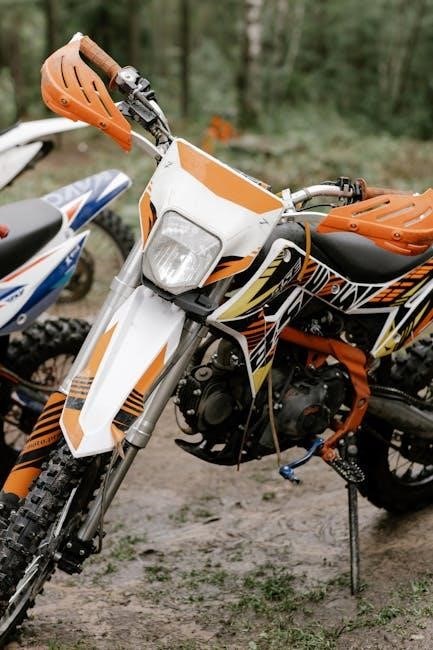
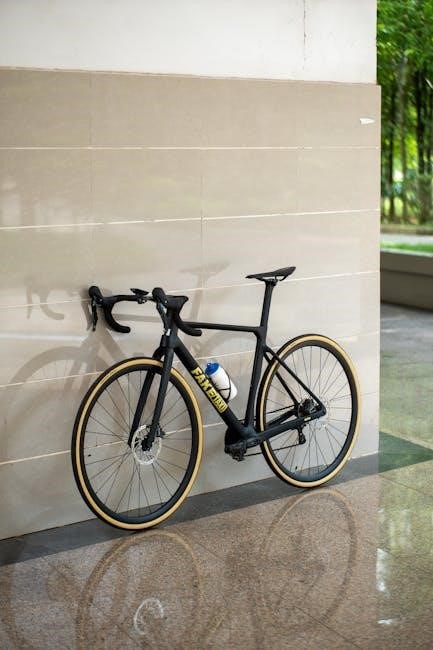
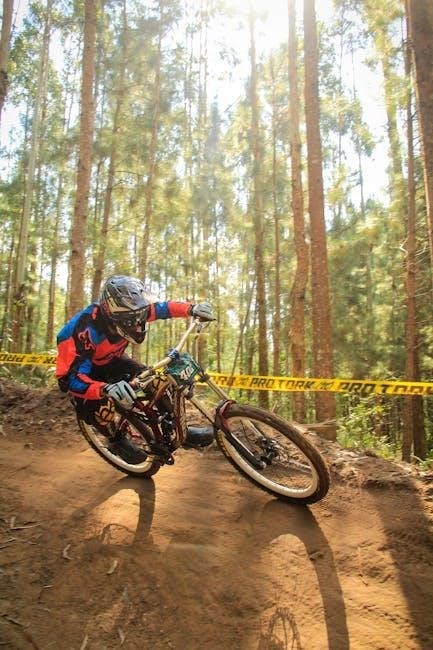
The cycling world boasts a diverse range of bikes‚ each designed for specific purposes. Road bikes are built for speed and efficiency on paved surfaces‚ featuring lightweight frames and drop handlebars. Mountain bikes tackle rugged terrain with suspension systems and durable tires‚ offering control and comfort off-road.
Hybrid bikes blend features of both road and mountain bikes‚ providing versatility for commuting and recreational riding. Cruiser bikes prioritize comfort with upright riding positions and wide tires‚ ideal for leisurely rides. Electric bikes (ebikes) offer pedal assistance‚ making hills easier and extending your range. Touring bikes are designed for long-distance travel‚ with robust frames and ample storage. Finally‚ BMX bikes are built for stunts and tricks‚ featuring a compact frame and durable construction. Understanding these categories is the first step in finding the perfect bike for your needs.
Understanding Bike Components
Key components – frame‚ wheels‚ drivetrain‚ and brakes – dictate performance and safety. Familiarizing yourself with these elements empowers informed purchasing decisions and future maintenance.
The Frame: Materials and Geometry
The bike frame is its core‚ influencing ride quality and durability. Materials commonly include aluminum‚ steel‚ carbon fiber‚ and titanium‚ each offering unique characteristics. Aluminum is lightweight and affordable‚ ideal for general use. Steel provides a comfortable ride and is robust‚ often found in touring bikes.
Carbon fiber is exceptionally lightweight and stiff‚ favored by performance cyclists‚ but can be more expensive. Titanium balances strength‚ weight‚ and comfort‚ making it a premium choice. Frame geometry – the angles and lengths of the tubes – significantly impacts handling.
A relaxed geometry prioritizes comfort for leisurely rides‚ while an aggressive geometry enhances responsiveness for racing. Consider the intended use; a mountain bike frame differs greatly from a road bike’s. Inspect the frame carefully for cracks‚ dents‚ or signs of repair‚ especially when considering a used bike. Proper frame fit is paramount for efficient pedaling and preventing discomfort.
Wheels and Tires: Choosing the Right Fit
Wheels and tires are crucial for ride feel‚ speed‚ and traction. Wheel size (diameter) impacts rolling efficiency; 26”‚ 27.5”‚ and 29” are common for mountain bikes‚ while 700c is standard for road bikes. Rim material – aluminum or carbon fiber – affects weight and stiffness. Consider tubeless-ready wheels for improved puncture resistance and lower rolling resistance.
Tire choice depends heavily on terrain. Smooth‚ narrow tires excel on pavement‚ offering low rolling resistance. Wider tires with tread provide grip on gravel or dirt. Tire pressure influences comfort and efficiency; lower pressure enhances comfort and grip‚ while higher pressure reduces rolling resistance.
Inspect wheels for trueness (straightness) and ensure bearings spin smoothly. Check tires for wear and tear‚ looking for cuts or bulges. A proper tire-to-rim fit is essential for safety and performance. Don’t underestimate the impact of quality tires on your overall cycling experience.
Drivetrain: Gears‚ Chains‚ and Shifters
The drivetrain – encompassing gears‚ chain‚ shifters‚ and derailleurs – dictates how efficiently you transfer power to the wheels. Gear range determines your ability to tackle varied terrain; more gears offer greater versatility. Common setups include 1x (single chainring) and 2x or 3x (multiple chainrings).
Chain quality impacts shifting performance and durability. Regularly lubricating your chain minimizes wear and tear. Inspect the chain for stretch; a worn chain accelerates wear on other drivetrain components. Shifters control the derailleurs‚ which move the chain between gears.
Evaluate shifting smoothness and responsiveness during a test ride. Listen for any unusual noises. Check for wear on the chainrings and cassette (rear gears). A well-maintained drivetrain ensures efficient pedaling and a more enjoyable ride. Consider component level – higher-end drivetrains generally offer smoother shifting and lighter weight.
Brakes: Types and Maintenance
Brakes are paramount for safety‚ and bikes primarily utilize rim brakes or disc brakes. Rim brakes‚ traditionally more affordable‚ apply pressure directly to the wheel rim. Disc brakes‚ offering superior stopping power‚ especially in wet conditions‚ use a rotor attached to the wheel hub.
Hydraulic disc brakes provide excellent modulation and require less hand force‚ while mechanical disc brakes are simpler to maintain. Inspect brake pads for wear – sufficient pad material is crucial. Check brake levers for firm feel and responsiveness. Ensure brake cables (or hydraulic lines) are free from damage.
Regularly cleaning and lubricating brake components extends their lifespan. Listen for any squealing or grinding noises‚ indicating potential issues. Proper brake maintenance is non-negotiable for a safe and controlled riding experience. Consider the type of riding you’ll be doing when choosing brake type.

Determining Your Bike Needs
Assess your riding style and terrain! Consider your budget and prioritize a proper bike fit for comfort and efficiency – crucial factors in selecting the ideal bike.
Riding Style and Terrain
Understanding how and where you’ll ride is paramount. Are you envisioning leisurely weekend cruises on paved paths‚ or tackling rugged mountain trails? This dictates the type of bike you need. For smooth surfaces‚ a road bike with drop handlebars offers speed and efficiency. If your adventures lean towards off-road exploration‚ a mountain bike with suspension and knobby tires is essential.
Consider the terrain. Hilly areas demand a wider range of gears to conquer inclines. Frequent commuting might prioritize comfort and practicality‚ perhaps with features like fenders and a rack. Gravel bikes bridge the gap‚ offering versatility for both paved and unpaved roads. Think about the distances you plan to cover; longer rides necessitate a more comfortable saddle and ergonomic design.
Ultimately‚ matching your riding style to the appropriate bike type ensures enjoyment and maximizes performance. Don’t hesitate to test ride different models to experience the variations firsthand and discover what feels best for your intended use.
Budget Considerations
Establishing a realistic budget is crucial before diving into the bike market. Prices vary dramatically‚ from entry-level models under $500 to high-end bikes exceeding several thousand dollars. Remember to factor in more than just the bike itself. Essential accessories like a helmet‚ lights‚ and a lock will add to the overall cost.
Consider the long-term expenses too. Regular maintenance‚ including tune-ups and replacement parts (tires‚ chains‚ brake pads)‚ requires ongoing investment. A slightly more expensive bike with higher-quality components often proves more durable and requires less frequent servicing. Exploring used bike options can significantly reduce upfront costs‚ but requires careful inspection.
Prioritize needs over wants. While fancy features are tempting‚ focus on core functionality aligned with your riding style. Don’t overspend on features you won’t utilize. A well-maintained‚ moderately priced bike will often provide more value than a top-of-the-line model neglected due to budget constraints.
Bike Size and Fit: A Crucial Factor
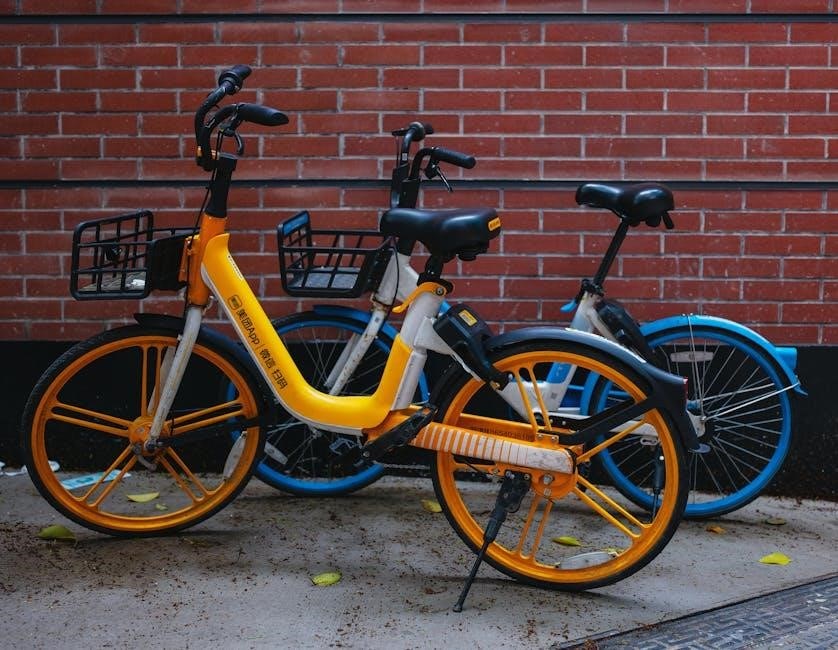
Proper bike fit is paramount for comfort‚ efficiency‚ and injury prevention. A bike that’s too large or too small can lead to strain and discomfort‚ hindering your enjoyment. Bike sizing typically revolves around frame size‚ determined by your height‚ but inseam length is equally important.
Most bike shops offer professional fitting services‚ highly recommended‚ especially for beginners. They’ll assess your body measurements and riding style to recommend the optimal frame size and adjust components like seat height and handlebar reach. Don’t hesitate to test ride multiple sizes and models.
Consider factors beyond frame size. Saddle height‚ handlebar position‚ and stem length all contribute to a comfortable and efficient riding posture. A slight adjustment can make a significant difference. Prioritize a fit that feels natural and allows you to reach the pedals and handlebars comfortably without overextending or hunching.

The Buying Process: New vs. Used
Choosing between new and used bikes depends on budget and preferences. New bikes offer warranties and latest tech‚ while used bikes provide value.
Advantages of Buying a New Bike
Opting for a new bike presents several compelling advantages for the discerning cyclist. Firstly‚ you receive a full manufacturer’s warranty‚ providing peace of mind against potential defects in materials or workmanship. This warranty coverage can be invaluable‚ safeguarding your investment for a specified period. Secondly‚ new bikes feature the latest technology and componentry‚ offering improved performance‚ efficiency‚ and rider comfort.
Furthermore‚ a new bike allows for complete customization. You can select the exact size‚ color‚ and specifications to perfectly match your riding style and preferences. There’s also the satisfaction of knowing you’re the first owner‚ with no prior wear and tear on the components.
Finally‚ purchasing from a local bike shop often includes professional assembly and fitting‚ ensuring optimal performance and safety. They can also provide ongoing maintenance and support‚ building a lasting relationship. While potentially more expensive upfront‚ a new bike delivers long-term value and a superior riding experience.
Benefits of Purchasing a Used Bike
Considering a used bike offers a financially savvy entry point into cycling‚ often significantly reducing the initial investment. This allows you to acquire a higher-end model or allocate funds towards essential accessories like helmets and lights. A well-maintained used bike can provide years of reliable service‚ especially if it’s been cared for by a previous owner.
The depreciation curve for bikes is relatively steep‚ meaning the first owner absorbs the largest financial loss. You benefit from this‚ acquiring a quality machine at a reduced price. It’s an excellent option for those unsure about long-term cycling commitment or seeking a spare bike for varied terrain.
However‚ diligent inspection is crucial. Thoroughly assess the frame‚ wheels‚ brakes‚ and drivetrain for wear and damage. Researching the bike’s history and potentially seeking a professional mechanic’s opinion can mitigate risks‚ ensuring a rewarding and cost-effective purchase.
Where to Buy: Local Shops vs. Online Retailers
Choosing where to purchase your bike presents a key decision: local bike shops or online retailers. Local shops offer personalized service‚ expert advice‚ and professional fitting‚ crucial for optimal comfort and performance. They often provide post-sale support‚ including maintenance and repairs‚ building a lasting relationship.
You can physically inspect the bike‚ test ride it‚ and receive tailored recommendations based on your needs. However‚ prices might be slightly higher compared to online options. Online retailers boast wider selections and competitive pricing‚ often with convenient shipping.
Yet‚ you forfeit the hands-on experience and expert guidance. Assembly may be required‚ and returns can be more complex. Consider your mechanical aptitude and comfort level. A hybrid approach – researching online then purchasing locally – can leverage the benefits of both worlds‚ ensuring a satisfying purchase.
Essential Checks Before You Buy
Thorough inspection is vital! Examine the frame‚ wheels‚ brakes‚ and drivetrain for damage or wear. A pre-purchase check ensures safety and avoids costly repairs.
Frame Inspection: Cracks and Damage
A meticulous frame inspection is paramount when considering a used bike. Begin by visually scanning the entire frame – top tube‚ down tube‚ seat tube‚ head tube‚ and chainstays – for any signs of cracks‚ dents‚ or welding issues. Pay close attention to areas around joints and welds‚ as these are common stress points.
Look for paint bubbling or chipping‚ which can indicate underlying damage. Gently run your fingers along the frame; even a small crack can often be felt before it’s visible. Inspect the fork as well‚ particularly the crown and steerer tube.
If you suspect a crack‚ probe it gently with a small tool – a significant deformation suggests a serious structural problem. Remember‚ a compromised frame can lead to catastrophic failure while riding‚ making it a non-negotiable safety concern. Don’t hesitate to walk away from a bike with frame damage‚ even if the price is tempting.
Wheel Integrity: Trueness and Bearings
Assessing wheel integrity is crucial for a safe and enjoyable ride. Start by spinning each wheel and observing its trueness – any significant wobble indicates a bent rim or loose spokes. A minor wobble can often be adjusted‚ but a severe one suggests potential damage.
Next‚ check the bearings. Lift each wheel and spin it‚ listening for grinding or clicking sounds‚ which signal worn or damaged bearings. Gently wiggle the wheel laterally; excessive play indicates loose bearings needing adjustment or replacement.
Inspect the rims for dents‚ cracks‚ or flat spots. Pay attention to the spoke tension – loose or broken spokes compromise wheel strength. A professional bike mechanic can accurately assess spoke tension and wheel trueness. Prioritize wheels in good condition‚ as they directly impact handling and safety.
Brake System Check: Functionality and Wear
A fully functional brake system is paramount for safety. Begin by testing both front and rear brakes – they should engage smoothly and provide strong stopping power without feeling spongy. Inspect the brake levers for excessive travel or stiffness.
For bikes with rim brakes‚ examine the brake pads for wear. If the pads are worn down to the indicator lines‚ they need replacing. Check the rims for wear as well; excessive wear can compromise braking performance.
Disc brake systems require inspection of the rotors for warping or damage. Ensure the calipers are properly aligned and the brake lines are free from leaks. Listen for any rubbing sounds when the wheels spin‚ indicating potential caliper misalignment. Prioritize a brake system in excellent working order for confident riding.
Drivetrain Evaluation: Chain Wear and Shifting
The drivetrain – encompassing gears‚ chain‚ and shifters – dictates smooth and efficient pedaling. Begin by visually inspecting the chain for rust‚ kinks‚ or excessive wear. A chain wear indicator tool is invaluable for precise assessment; a stretched chain accelerates wear on other components.
Next‚ cycle through all the gears‚ both front and rear‚ while the bike is stationary. Shifting should be crisp and precise‚ without hesitation or skipping. Listen for any unusual noises during shifting‚ which could indicate worn cables‚ a bent derailleur hanger‚ or internal hub issues.
Examine the chainrings and cassette for worn or damaged teeth. Significant wear here impacts shifting performance and may necessitate replacement. A well-maintained drivetrain ensures a pleasurable and efficient riding experience.
Accessories and Maintenance
Prioritize safety with a helmet‚ lights‚ and a robust lock. Regular maintenance—cleaning‚ lubrication‚ and tire inflation—extends your bike’s life and ensures optimal performance.

Essential Bike Accessories (Helmet‚ Lights‚ Lock)
Safety should be paramount when cycling‚ making accessories non-negotiable investments. A properly fitted helmet is the most crucial item‚ protecting against head injuries in case of a fall. Look for certifications like CPSC or Snell‚ ensuring it meets safety standards.
Lights are essential for visibility‚ especially during dawn‚ dusk‚ or nighttime riding. A bright white headlight and a red taillight significantly increase your presence to motorists and pedestrians. Consider lights with multiple modes – steady‚ flashing – for varied conditions.

Finally‚ a reliable lock is vital to deter theft. Choose a lock appropriate for your bike’s value and the security level of where you park. U-locks offer excellent security‚ while cable locks are lighter but less resistant to cutting. Always lock your bike to a secure‚ immovable object. Investing in these three accessories provides peace of mind and enhances your cycling experience;
Basic Bike Maintenance Tips
Regular bike maintenance extends its lifespan and ensures safe‚ smooth rides. Start with tire pressure – check it before each ride and inflate to the recommended PSI (printed on the tire sidewall). A firm tire reduces rolling resistance and prevents pinch flats.
Chain lubrication is crucial; apply chain lube every few rides‚ especially after wet conditions. Wipe off excess lube to prevent dirt buildup. Inspect your brakes regularly‚ checking pad wear and cable tension. Worn pads reduce stopping power.
Periodically clean your bike with mild soap and water‚ avoiding high-pressure washers which can damage components. Inspect for loose bolts and tighten as needed. Learning these basic tasks empowers you to address minor issues and enjoy consistent performance. Don’t hesitate to consult a professional for more complex repairs!