
Strength training after forty is vital for maintaining muscle mass, boosting agility, and enhancing overall well-being, offering programs tailored for all fitness levels.
Numerous resources, including detailed guides and comprehensive programs, prioritize safety and long-term success, adapting to individual needs and goals.
These programs emphasize functional strength, building confidence and minimizing injury risk, whether you have gym access or prefer home workouts.
Why Strength Training Becomes Crucial
As we age, maintaining physical function becomes increasingly important, and strength training emerges as a cornerstone of healthy aging. After 40, the natural decline in muscle mass – sarcopenia – accelerates, impacting metabolism, balance, and overall quality of life.
Strength training directly combats sarcopenia, preserving lean muscle tissue and boosting metabolic rate. This isn’t merely about aesthetics; it’s about preserving independence and the ability to perform daily activities with ease. Furthermore, programs designed for this age group, like those detailed in available resources, focus on building confidence and well-being.
Prioritizing strength training now sets the stage for a stronger, more resilient future, allowing individuals to enjoy an active and fulfilling lifestyle for decades to come. It’s an investment in long-term health and vitality.
Debunking Myths About Aging and Strength
A common misconception is that muscle loss is an inevitable part of aging, and that building strength becomes impossible after 40. However, this is demonstrably false. While age-related physiological changes occur, the body retains a remarkable capacity to adapt and grow stronger with appropriate training.
Many believe strength training is only for younger individuals, fearing injury or believing it’s “too late” to start. Resources emphasize safety and age-appropriate progressions, proving that individuals of all fitness levels can benefit.
The key lies in a tailored approach, prioritizing proper form and gradual increases in intensity. Strength training isn’t about becoming a bodybuilder; it’s about maintaining function, improving health, and defying the limitations often associated with age.

Understanding Physiological Changes
As we age, hormonal shifts, decreased bone density, and muscle loss (sarcopenia) impact strength; targeted training can effectively mitigate these natural physiological changes.
Muscle Loss (Sarcopenia) and How to Combat It
Sarcopenia, the age-related loss of muscle mass, begins around age 30 and accelerates after 40. This decline impacts strength, mobility, and metabolic rate, increasing fall risk and diminishing overall quality of life. However, strength training is a powerful countermeasure.
Consistent resistance exercise stimulates muscle protein synthesis, rebuilding and preserving muscle tissue. Prioritizing full-body workouts, incorporating compound exercises like squats and deadlifts, and progressively increasing the challenge are crucial. Adequate protein intake – around 0.8-1 gram per pound of body weight – further supports muscle recovery and growth.
Ignoring sarcopenia leads to functional decline; proactive strength training empowers individuals to maintain independence, vitality, and a higher quality of life well into their later years.
Decreased Bone Density and Strength Training’s Role
Bone density naturally declines with age, increasing the risk of osteoporosis and fractures. Women, particularly after menopause, are especially vulnerable. However, strength training plays a vital role in mitigating this loss and even improving bone health.
Resistance exercise creates mechanical stress on bones, stimulating osteoblasts – cells responsible for bone formation. Weight-bearing exercises, like squats, lunges, and deadlifts, are particularly effective. A consistent program, combined with adequate calcium and vitamin D intake, can significantly enhance bone density.
Prioritizing proper form and gradual progression is essential to minimize injury risk. Strength training isn’t just about building muscle; it’s about fortifying the skeletal system for a stronger, more resilient future.
Hormonal Shifts and Their Impact on Training
Hormonal changes are a significant factor as we age, impacting muscle mass, strength, and recovery. For men, testosterone levels gradually decline, while women experience menopause, leading to decreased estrogen. These shifts can contribute to muscle loss and slower metabolic rates.
Strength training can help counteract these effects by stimulating hormone production and preserving muscle tissue. However, adapting training strategies is crucial. Prioritizing recovery, incorporating adequate protein intake, and managing stress become even more important.
Listen to your body and adjust intensity levels as needed. A well-designed program acknowledges these hormonal shifts and focuses on sustainable, long-term results.

Designing a Safe and Effective Program
Prioritize proper form, full-body routines, and gradual progression, incorporating warm-ups and cool-downs to minimize injury risk and maximize strength gains over forty.

Warm-up and Cool-down Routines for Over 40s
As we age, preparing the body for exercise and aiding recovery become even more crucial. A dynamic warm-up, lasting 5-10 minutes, is essential before each strength training session.
This should include movements like arm circles, leg swings, torso twists, and light cardio to increase blood flow and joint mobility. Focus on movements that mimic the exercises you’ll be performing.
Post-workout, a 5-10 minute cool-down is equally important. Static stretching, holding each stretch for 20-30 seconds, helps improve flexibility and reduce muscle soreness.
Prioritize stretches targeting the muscles worked during the session. A “feel-good” stretching routine, as suggested by some programs, can further enhance recovery and overall well-being.
Focus on Full-Body Training
For individuals over 40, a full-body training approach is highly recommended. This means working all major muscle groups – legs, back, chest, shoulders, and arms – in each workout session.
This method maximizes efficiency and promotes balanced muscle development, crucial for maintaining functional strength and preventing imbalances. Programs emphasize well-balanced routines, regardless of gym access.
Full-body workouts also offer a greater metabolic boost compared to isolating specific muscle groups. Aim for 2-3 full-body sessions per week, allowing for adequate recovery between workouts.
Prioritize compound exercises, movements that engage multiple muscle groups simultaneously, to enhance strength and build overall fitness.
Prioritizing Proper Form and Technique
Maintaining correct form during strength training is paramount, especially as we age. Prioritizing technique over lifting heavy weights minimizes the risk of injury and maximizes exercise effectiveness.
Detailed tutorials and illustrations are invaluable resources for learning proper form, ensuring movements are executed safely and efficiently. Consider working with a qualified trainer initially.
Focus on controlled movements, engaging the correct muscles throughout each exercise. Avoid rushing through repetitions; slow and deliberate execution is key.
Age-appropriate progressions are vital, gradually increasing intensity as strength and technique improve, building confidence and overall well-being.

Sample 4-Week Beginner Program
A beginner program focuses on building a foundation of strength with a 28-day plan, adaptable for all fitness levels, and prioritizing safety.
This series gradually introduces weightlifting, aiming to get stronger safely, and incorporating cardio for maximized gains and optimal recovery.
Week 1-2: Building a Foundation
During the initial two weeks, the focus is establishing proper form and technique before increasing weight or intensity. This phase prioritizes familiarizing yourself with fundamental movements, building a solid base for future progression.
Begin with bodyweight exercises or very light dumbbells, concentrating on controlled motions and engaging the correct muscle groups. Sample exercises include squats, push-ups (modified on knees if needed), lunges, and rows using resistance bands.
Perform 2-3 sets of 10-12 repetitions for each exercise, 2-3 times per week, allowing for rest days between workouts. Remember, consistency and proper form are key to preventing injuries and maximizing results during this foundational stage.
Prioritize listening to your body and adjusting the program as needed.
Week 3-4: Increasing Intensity and Volume
As you progress into weeks three and four, gradually increase the challenge by adding weight, repetitions, or sets to your workouts. This phase builds upon the foundation established in the first two weeks, promoting continued muscle growth and strength gains.
Consider increasing the weight by small increments, ensuring you maintain proper form throughout each exercise. You can also add an extra set to each exercise, aiming for 3 sets of 10-12 repetitions.
Introduce slight variations to exercises to challenge your muscles in new ways. Continue prioritizing controlled movements and listening to your body, adjusting the program as needed to avoid overtraining or injury.
Remember progressive overload is key!

Sample 6-Week Intermediate Program
This program focuses on progressive overload and incorporates compound exercises for increased muscle mass and agility, suitable for those with some training experience.
It prioritizes safety with tutorials and illustrations, guiding you towards a stronger physique, whether at the gym or at home.
Progressive Overload Principles
Progressive overload is the cornerstone of any effective strength training program, especially crucial as we age. It involves gradually increasing the demands placed upon your muscles to stimulate continued growth and strength gains. This isn’t about drastically increasing weight immediately; it’s a systematic approach.
Begin by focusing on mastering proper form with a manageable weight. Once you can comfortably complete all sets and repetitions with good technique, incrementally increase the weight, repetitions, or sets. Small, consistent increases are key to avoiding injury and promoting sustainable progress. Consider adding resistance bands or slightly heavier dumbbells each week.
Listen to your body and prioritize recovery. Don’t increase the load if you’re experiencing pain. Varying exercises and incorporating different training modalities can also contribute to progressive overload, challenging your muscles in new ways and preventing plateaus.
Incorporating Compound Exercises
Compound exercises are multi-joint movements that work several muscle groups simultaneously, making them incredibly efficient for building strength and muscle mass, particularly beneficial for those over 40. These exercises maximize your training time and provide a greater functional benefit.
Examples include squats, deadlifts, lunges, bench presses, and overhead presses. These movements mimic real-life activities, improving balance, coordination, and overall strength. Prioritize proper form before increasing weight to prevent injuries.
Start with bodyweight variations or lighter weights, gradually increasing the load as your strength improves. Incorporating compound exercises into your routine will yield significant results, enhancing both strength and agility, contributing to a stronger, more resilient physique.
Recovery and Nutrition
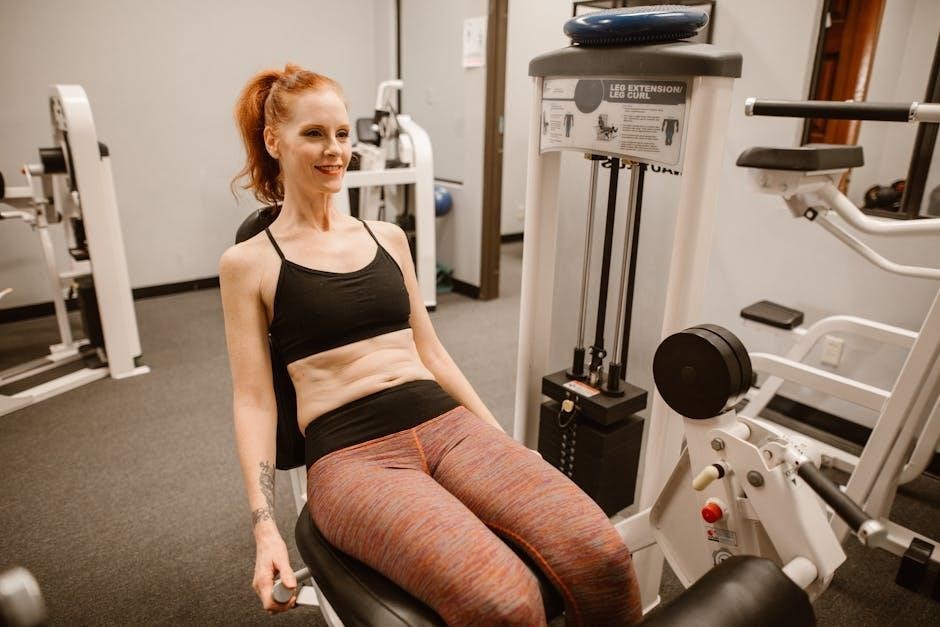
Optimal recovery involves prioritizing protein intake, optimizing sleep for muscle repair, and incorporating stretching for joint health – crucial elements for sustained progress.
These factors enhance muscle recovery, minimize soreness, and support overall well-being, maximizing the benefits of your strength training efforts.
The Importance of Protein Intake
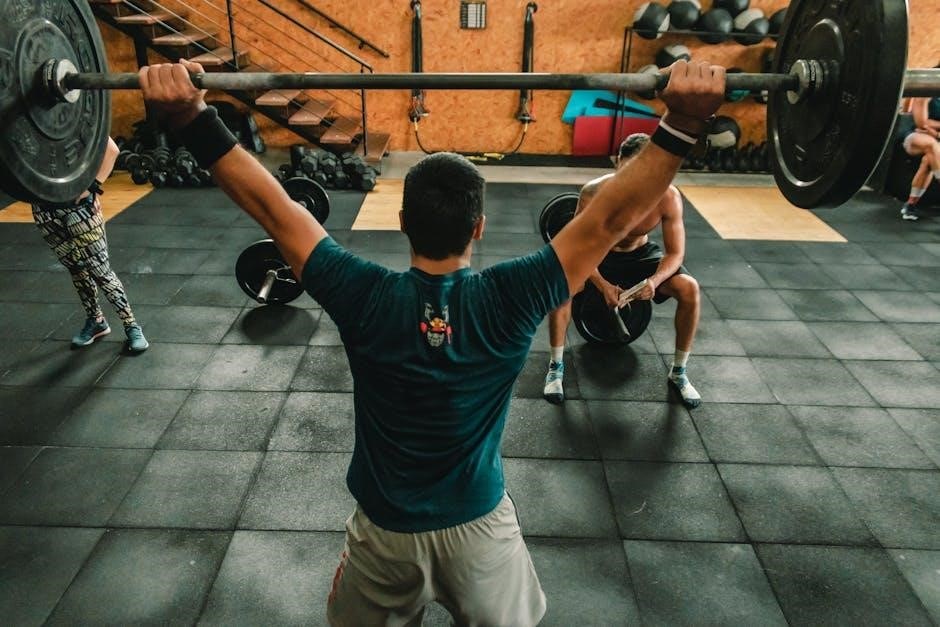
Protein is paramount for muscle repair and growth, especially as we age and experience natural muscle loss. After 40, ensuring adequate protein intake becomes even more critical to counteract sarcopenia and maintain strength.
Aim for a consistent intake throughout the day, rather than concentrating it in one meal, to maximize muscle protein synthesis. Consider incorporating lean protein sources like chicken, fish, beans, lentils, and Greek yogurt into your diet.
The specific amount needed varies based on activity level and individual factors, but generally, 0.8-1 gram of protein per pound of body weight is a good starting point. Prioritizing protein supports recovery, builds lean muscle mass, and enhances the overall effectiveness of your strength training program.
Optimizing Sleep for Muscle Recovery
Quality sleep is non-negotiable for muscle recovery and overall health, becoming increasingly important with age. During sleep, your body repairs muscle tissue damaged during strength training and releases growth hormone, crucial for muscle growth.
Aim for 7-9 hours of uninterrupted sleep each night. Establish a regular sleep schedule, create a relaxing bedtime routine, and optimize your sleep environment – dark, quiet, and cool.
Insufficient sleep hinders recovery, increases cortisol levels (which can break down muscle), and diminishes training gains. Prioritizing sleep alongside proper nutrition and training is essential for maximizing the benefits of your strength training program after 40.
Stretching and Mobility for Joint Health
Maintaining joint health is paramount as we age, and incorporating regular stretching and mobility work is crucial alongside strength training. Flexibility tends to decrease with age, increasing the risk of injury.
Focus on dynamic stretching before workouts to prepare muscles and joints for activity, and static stretching post-workout to improve flexibility and reduce muscle soreness.
Include mobility exercises targeting major joints – shoulders, hips, and ankles – to enhance range of motion and prevent stiffness. A “feel-good stretching routine” can optimize recovery and contribute to long-term joint health, supporting continued strength training.

Adapting to Individual Needs
Personalization is key; modify exercises based on limitations, injuries, or gym access, prioritizing safety and realistic goals for sustainable, long-term strength gains.
Training with Limited Gym Access
Maintaining fitness doesn’t require a fully equipped gym. Many effective strength training exercises utilize bodyweight, making them ideal for home workouts or travel. Programs like those detailed in “Strength Training Over 40” emphasize full-body training achievable without specialized equipment.
Resistance bands are a versatile and affordable alternative, providing adjustable resistance for various exercises. Everyday household items, like water bottles or canned goods, can also serve as weights. Focus on compound movements – squats, push-ups, lunges – to maximize results.
Prioritize proper form over heavy lifting, and remember consistency is crucial, even with limited resources. Online resources and PDFs offer guidance on adapting exercises for home environments.
Modifying Exercises for Injuries or Limitations
Adapting workouts is crucial when dealing with injuries or physical limitations. Prioritize safety and listen to your body, avoiding movements that cause pain. Programs designed for those over 40, like those found in strength training PDFs, often emphasize age-appropriate progressions.
Modifications might include reducing range of motion, using lighter weights, or choosing alternative exercises that target the same muscle groups. For example, wall push-ups are a gentler alternative to standard push-ups.
Consulting a qualified trainer is recommended to ensure proper form and personalized modifications. Remember, consistency and gradual progression are key to building strength safely.
Resources and Further Learning
Explore books like “Strength Training Over 40” and websites offering tailored programs; consider seeking guidance from a qualified trainer for personalized support.
Recommended Books and Websites
For a comprehensive approach, Alana Collins’ “Strength Training Over 40” (9781646116126) provides a detailed six-week program focusing on full-body training, adaptable for gym or home use, with safety prioritized through clear tutorials.
Websites like Ochsner Health offer specialized coaching in functional strength training for adults, emphasizing individualized attention and age-appropriate progressions to minimize injury risk and maximize fitness gains.
The Mom Edit provides a four-week beginner weightlifting series led by a certified trainer, focusing on safe strength building, and gradually increasing intensity. Further online resources offer tailored programs and expert advice.
Finding a Qualified Trainer
Seeking a trainer specializing in strength training for adults over 40 is crucial for a safe and effective program. Look for certifications like ISSA CPT, demonstrating a commitment to professional standards and knowledge.
Ochsner Health emphasizes coaches specializing in functional strength training, offering individualized attention and age-appropriate progressions, minimizing injury risk while maximizing results.
A qualified trainer will assess your current fitness level, goals, and any limitations, designing a personalized plan. They’ll prioritize proper form, technique, and progressive overload, ensuring sustainable progress.
Consider trainers offering online or in-person sessions, ensuring a good rapport and a comfortable training environment to support your journey.